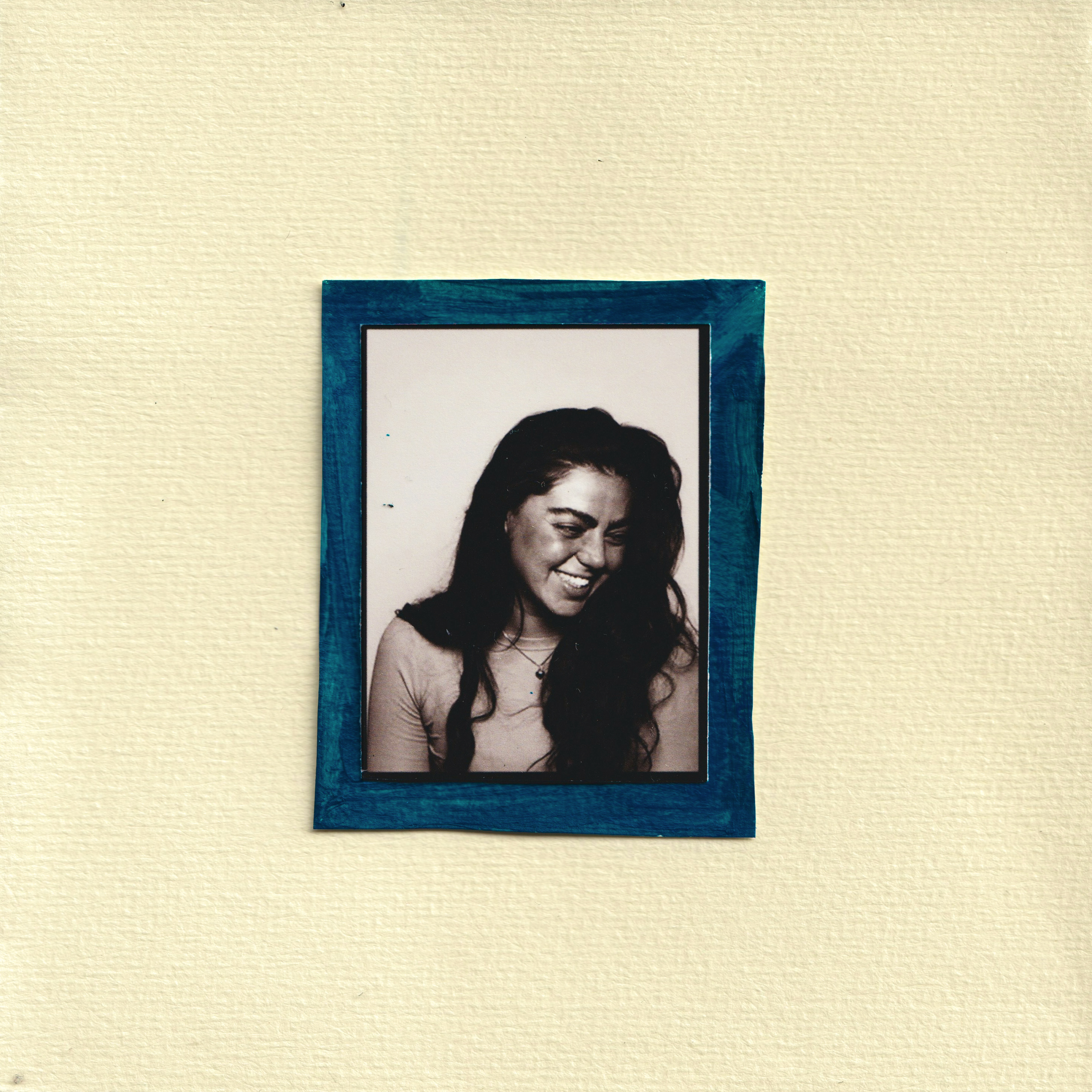
At 23, Iga Wojak is on the verge of graduating, already immersed in what feels less like a school project and more like a professional film production. Originally from Poland, she came to the Netherlands searching for space to explore her direction as a maker.
Initially drawn to photography, her practice gradually shifted towards filmmaking, where storytelling, rhythm, and human relationships could come together. Her style continues to evolve, moving between poetic imagery and more raw, documentary influences. “I’m still developing,” she says. “But I know that whatever I make, I’m always trying to make genuine and relatable stories about the human experience.”
A Story of Loyalty
Her graduation film centres on a group of teenagers navigating a moral dilemma: the tension between loyalty to friends and personal integrity. Set within a Dutch-Polish context, the story follows four teenagers whose bond is shaped as much by language as by genuine connection.
“It’s about that moment where you have to choose,” she explains. “Do you stay loyal to your friends, or to your own values?”
The narrative, though specific in its setting, touches on a universal experience of growing up within intense social dynamics. Drawing from personal observations and experiences, the film explores thecomplexities of friendship, identity, and belonging.
Collaboration and Process
A key part of the project is her collaboration with her brother, who co-wrote the script. Despite not having a background in the arts, his storytelling instincts became an important foundation for the film. “We work well together, but we’re both strong personalities,” she says. “So we actually wrote a kind of contract at the beginning, just to make sure we could collaborate properly.”
The writing process took several months, evolving through multiple drafts. Iga actively tested dialogue and scenarios, reading scenes aloud and seeking feedback from teenagers to ensure authenticity. “I wanted it to feel real,” she explains. “The way they speak, the way they react, it all had to be believable.”
This commitment to realism extends to her casting choices. All actors are non-professionals, selected through an extensive and sometimes unpredictable process. “It was a huge journey,” she recalls. “At some point I thought I wouldn’t find anyone. But then, suddenly, it all came together.”
Movement and Rhythm
Dance plays a subtle but significant role in her work. With a background in hip-hop, Iga approaches filmmaking with a strong sense of rhythm and choreography. “I think a lot about movement,” she says. “Even when I imagine a scene, I’m already thinking about timing and flow.” This sensibility shapes the film’s visual language, where music and physicality become tools for storytelling rather than just stylisticelements.
Challenges Behind the Scenes
As with many graduation projects, the process has been marked by practical challenges. Time, funding, and logistics all require constant attention. “Half a year is not enough,” she admits. “Even though I started early, I still wish I had more time.”
Securing locations proved particularly difficult, especially finding a Polish supermarket willing to participate. After many refusals, a breakthrough came just weeks before production. “That was a huge relief,” she says. “It changed everything.”
Between School and Industry
What makes this project distinct for Iga is how closely it mirrors professional practice. Working with a dedicated crew, many of whom are fellow students or recent graduates, the process feels like a step intothe industry. “It doesn’t feel like a school project anymore,” she says. “It feels like something I would do after graduation as well.”
This shift has been one of the most valuable aspects of her time at the academy. “You learn that you have to do things yourself,” she reflects. “If you want to make something, you just have to go for it.”
After graduation, Iga plans to take a step back before continuing her studies. A period of travel and work in Iceland will offer space to reflect and reset. “I need a moment without deadlines,” she says. “Just tobreathe and think about what comes next.”
In the longer term, she hopes to return to Poland and apply to film school there, drawn to the storytelling traditions and cinematic language she finds more aligned with her interests. “I feel more connected tothe film scene there,” she explains. “It inspires me in a different way.” At the same time, she remains open to collaboration across borders, already connecting with Polish artists for the film’s soundtrack andvisual identity.
For Iga, filmmaking is ultimately about connection. Between people, cultures, and experiences. As she moves towards graduation, her focus remains on telling stories that resonate, not just visually, but emotionally. “I want people to recognise something of themselves in it,” she says.