For the English version of this article, scroll down.
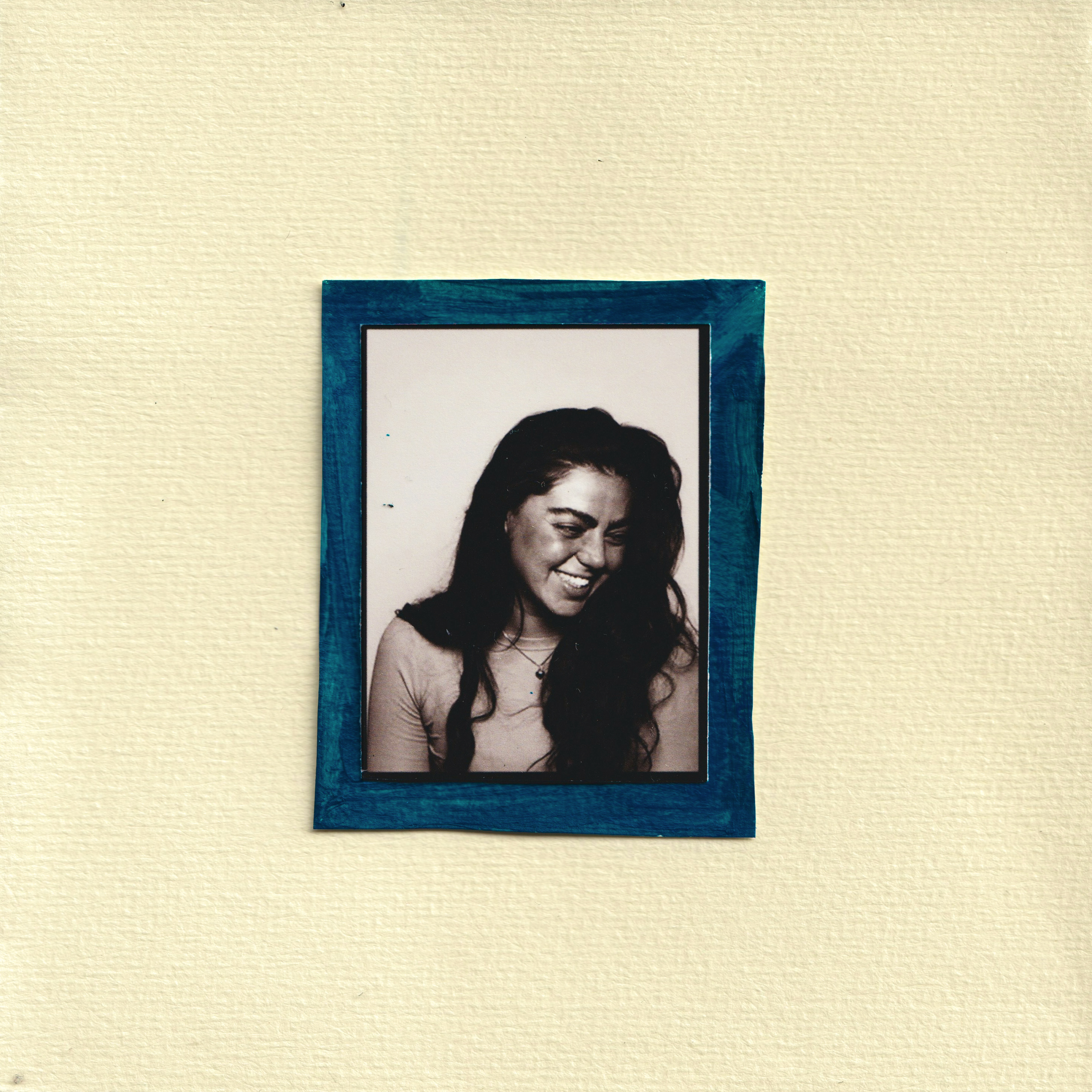
Voor Amy Schijf draait afstuderen niet om het presenteren van een afgerond project, maar om het creëren van situaties waarin mensen zich uitgenodigd voelen om deel te nemen. De 22-jarige student Leisure & Events Management (LEM) verhuisde aan het begin van haar studie van Den Haag naar Rotterdam, aangetrokken door de sterke verbinding van de academie met de stad en de creatieve gemeenschappen hier: "Ik wist eigenlijk nog niet precies wat ik wilde studeren," vertelt ze. "Ik wist alleen dat ik iets creatiefs wilde, op een plek met veel mogelijkheden. De stations van de academie spraken me erg aan, maar beeldende kunst voelde destijds wat te abstract. LEM voelde concreter en meer verbonden met mensen."
Die verbinding staat nu centraal in haar afstudeerproject. Met een reeks publieke evenementen rondom mode, duurzaamheid en samen creëren wil Amy mensen stimuleren om anders naar kleding te kijken: niet alleen als consument, maar als actieve deelnemer aan een creatief proces.
Ruimte creëren voor collectieve creativiteit
De kern van het project is De Wasserij, een Rotterdamse werkplaats gericht op duurzame mode en creatieve productie. Amy ontdekte de plek via een vriend met een atelier daar. "Ik dacht meteen dat dit een geweldige plek zou zijn om evenementen te organiseren," legt ze uit. "Er hangt een open sfeer waarin ontwerpers werken, mensen binnenlopen en ideeën voortdurend worden uitgewisseld."
Haar afstudeerproject bestaat uit drie evenementen, elk met een eigen doel. Het eerste evenement wil mensen inspireren via filmvertoningen en gesprekken met makers, het tweede moedigt bezoekers aan om zelf actief iets te maken, en het laatste evenement richt zich op het achterlaten van iets dat ook na haar afstuderen blijft bestaan. "Ik denk veel na over impact," zegt Amy. "Wat kan ik maken dat blijft bestaan? Niet alleen een evenement dat na één avond weer verdwenen is."
Een van haar ideeën is een openbare ‘maak-bibliotheek’ gekoppeld aan De Wasserij: een plek waar atelierhouders en buurtbewoners restmaterialen, stoffen en gereedschappen kunnen uitwisselen. In plaats van materialen weg te gooien, kunnen mensen ze gebruiken om te experimenteren en iets nieuws te creëren.
De kracht van samen maken
Haar interesse in deze manier van werken groeide geleidelijk tijdens haar studie. Eerdere samenwerkingsprojecten, zoals collage-avonden, schetsboekbijeenkomsten en filmvertoningen, lieten zien hoeveel creatieve energie ontstaat wanneer mensen samen dingen maken.
"We organiseerden een keer een schetsboekavond waarbij iedereen samen zat te tekenen," herinnert ze zich. "De sfeer veranderde volledig wat mensen maakten. Makers lopen soms vast wanneer ze alleen werken. Maar als mensen samenkomen, inspireren ze elkaar om anders te denken en door te blijven creëren." Die ervaring bleef haar bij. "Mensen vertelden achteraf dat ze zich echt weer gemotiveerd voelden. Dat was heel mooi om te horen."
Hoewel gemeenschapsvorming een terugkerend thema is binnen LEM, verschoof Amy’s focus steeds meer naar mode en duurzaamheid. Naast haar studie maakt ze zelf kleding en werkt ze bij Stil Leven Store, waar upcycling een belangrijke rol speelt. Door haar werk en onderzoek werd ze zich steeds bewuster van de milieu-impact van de mode-industrie en van het belang van een betekenisvollere relatie met kleding. "Ik hoop dat mensen een stukje van dat bewustzijn meenemen," zegt ze. "Dat ze anders naar kleding gaan kijken en beseffen dat je spullen langer kunt gebruiken, repareren, aanpassen en meer waarde kunt geven."
Toegankelijkheid en duurzaamheid
Voor Amy is toegankelijkheid een belangrijk onderdeel van die discussie. Ze vindt dat veel modegerelateerde evenementen of workshops onbedoeld exclusief of intimiderend kunnen aanvoelen. Haar project probeert die drempel juist te verlagen. "Veel workshops of modeplekken voelen ontoegankelijk," legt ze uit. "Ik wil dat mensen zich betrokken voelen, ook als ze nog nooit kleding hebben gemaakt."
Momenteel besteedt ze veel tijd aan de organisatie van de eerste publieke filmavond: films selecteren, promotie verzorgen en contact leggen met Rotterdamse filmmakers en ontwerpers. Tegelijkertijd verdiept ze zich verder in theorieën over participatie, duurzaamheid en creatieve gemeenschappen. Ze geeft toe dat het academische deel van afstuderen niet altijd vanzelf ging. "Het schrijven vond ik absoluut het moeilijkst,"lacht ze. "Ik heb zoveel ideeën en wil meteen dingen in gang zetten. Soms vergeet ik het proces goed te documenteren of alles terug te koppelen aan theorie."
Toch heeft ze geleerd dat experimenteren zelf ook een vorm van onderzoek kan zijn. Gesprekken met docenten hielpen haar inzien dat het testen van ideeën in de praktijk waardevolle kennis oplevert.
Leren buiten het klaslokaal
Nu er tijdens het afstuderen geen reguliere lessen meer zijn, vraagt het proces om een andere vorm van discipline. Amy werkt nauw samen met een kleine ateliergroep uit haar klas. Ze ontmoeten elkaar meerdere keren per week om voortgang te bespreken en feedback te geven. "Dat helpt enorm," zegt ze. "Anders verlies je gemakkelijk structuur."
Ook buiten de academie haalt ze inspiratie uit de stad. Via haar werk bij OASE, waar ze eerder stage liep, raakte ze betrokken bij buurtgerichte culturele evenementen en wijkprogrammering. Die ervaringen hebben sterk bijgedragen aan de richting van haar afstudeerproject. "LEM moedigt je echt aan om verbinding te maken met Rotterdam," reflecteert ze. "Via docenten, organisaties, evenementen en plekken in de stad. Dat netwerk is ongelooflijk waardevol geworden."
Vooruitkijken
Afstuderen voelt voor haar nog steeds onwerkelijk. "Ik ben pas 22," zegt ze. "Een deel van mij voelt zich nog heel jong om ineens klaar te zijn met school en na te denken over het werkende leven." Tegelijkertijd heeft het proces haar duidelijk gemaakt waar haar passie ligt. "Ik weet nu wel dat evenementen echt mijn ding zijn." Na haar afstuderen droomt ze ervan om een busje te kopen en een tijd te reizen. Daarna wil ze mogelijk verder studeren in ruimtelijk ontwerp, een vakgebied dat ze ontdekte tijdens een minor aan de HKU. Het ontwerpen van omgevingen en begrijpen hoe mensen ruimtes ervaren sluit volgens haar nauw aan bij het werk dat ze nu al graag doet. "Ik vind het geweldig om na te denken over hoe mensen een ruimte beleven," zegt ze. "Hoe je mensen samenbrengt, interactie creëert en hen iets laat voelen."
Voor nu ligt de focus echter op het bouwen aan iets betekenisvols binnen De Wasserij. Iets dat blijft groeien nadat zij vertrokken is. Succes betekent voor Amy niet per se een perfecte eindpresentatie, maar de mogelijkheid dat het project een eigen leven gaat leiden. "Als mensen het blijven gebruiken nadat ik weg ben, zou dat fantastisch zijn," zegt ze. "Als het iets wordt dat de gemeenschap samen voortzet, zonder dat ik daarvoor nog nodig ben."
For Amy Schijf, graduation is not about presenting a finished object, but about creating situations where people feel invited to participate. The 22-year-old Leisure & Events Management student moved from The Hague to Rotterdam at the start of her studies, drawn to the academy’s strong connection to the city and its creative communities: “I didn’t really know what I wanted to study yet,” she says. “I just knew I wanted something creative, somewhere with a lot of possibilities. The stations at the academy really attracted me, but studying fine art felt a bit too abstract for me at the time, while LEM felt more groundedand connected to people.”
That connection has become central to her graduation project. Through a series of public events centred around fashion, sustainability and collective making, Amy wants to encourage people to engage with clothing differently. Not simply as consumers, but as participants in a creative process.
Building Spaces for Collective Creativity
At the heart of the project is De Wasserij, a Rotterdam-based workspace focused on sustainable fashion and creative production. Amy first discovered the space through a friend who had an atelier there. “I immediately thought it would be such a good place to organise events,” she explains. “It already has this open atmosphere where designers are working, people walk in, and ideas are constantly beingexchanged.”
Her graduation project unfolds across three events, each with a different purpose. One aims to inspire people through film screenings and conversations with makers, another encourages visitors to activelycreate things themselves, and the final part focuses on leaving something behind that can continue after graduation. “I’ve been thinking a lot about impact,” Amy says. “What can I make that stays? Not just anevent that disappears after one evening.”
One of her ideas is to create a small public “making library” connected to De Wasserij: a space where atelier holders and local residents can exchange leftover materials, fabrics and tools. Instead of throwingmaterials away, people could use them to experiment and create something new themselves.
The Power of Making Together
Her interest in this way of working developed gradually during her studies. Earlier collaborative projects involving collage nights, sketchbook evenings and film screenings revealed how much creative energy can emerge when people make things together.
“We organised a sketchbook evening once where everyone sat down and drew together,” she recalls. “The atmosphere completely changed the work people made. Sometimes makers get stuck on their own. But when people come together, they inspire each other to think differently and continue creating.” That experience stayed with her. “People told us afterwards they genuinely felt motivated again. That was really beautiful to hear.”
Although community-building is a recurring theme within LEM, Amy’s own focus shifted increasingly towards fashion and sustainability. Alongside her studies, she makes clothing herself and works at Stil Leven Store, where upcycling also plays a large role. Through both work and research, she became increasingly aware of the environmental impact of the fashion industry and the importance of building more meaningful relationships with the clothes people wear. “I hope people take a piece of that awareness with them,” she says. “That they think differently about clothing and that you can care for things longer, repair them, change them, give them more value.”
Accessibility and Sustainability
For Amy, accessibility is an important part of that conversation. She feels many fashion-related events or workshops can unintentionally feel exclusive or intimidating. Her project instead tries to lower thatthreshold. “A lot of workshops or fashion spaces can feel inaccessible,” she explains. “I want people to feel involved. Even if they’ve never made clothing before.”
At the moment, much of her time is spent organising the first public film evening: selecting films, promoting the event and connecting with filmmakers and designers from Rotterdam. At the same time, she continues researching theories around participation, sustainability and creative communities, although she admits the academic side of graduation has not always come naturally. “The writing part has definitely been the hardest for me,” she laughs. “I have so many ideas and I just want to start making things happen immediately. Sometimes I forget about documenting the process or connecting everythingback to theory.”
Still, she has learned to see experimentation itself as a valid form of research. Conversations with tutors helped her realise that testing ideas in practice can also generate valuable knowledge.
Learning Beyond the Classroom
Without regular classes during graduation, the process now requires a different kind of discipline. Amy works closely with a small atelier group from her class, meeting several times a week to discuss progressand give feedback. “That really helps,” she says. “Otherwise it’s easy to lose structure.”
Outside the academy, she also continues to draw inspiration from the city itself. Through her work at OASE - where she previously interned - she became involved in community-centred cultural events and neighbourhood programming, experiences that strongly shaped the direction of her graduation project. “LEM really encourages you to connect with Rotterdam,” she reflects. “Through teachers, organisations, events and places in the city. That network has become incredibly valuable.”
Looking Ahead
Graduating still feels surreal to her. “I’m only 22,” she says. “Part of me still feels very young to suddenly finish school and think about working life.” Yet at the same time, the process has clarified what excites her most. “I do know now that events are really my thing.” After graduation, she dreams of buying a van and travelling for a while before possibly continuing her studies in spatial design; a field she discoveredduring a minor at HKU. The idea of designing environments and understanding how people interact with spaces feels closely connected to the kind of work she already enjoys doing now.“I love thinking abouthow people experience a space,” she says. “How you can bring people together, create interaction, make them feel something.”
For now, though, the focus remains on building something meaningful within De Wasserij. Something that can continue to grow after she leaves. Success, for Amy, is not necessarily a perfect final presentation, but the possibility that the project develops a life of its own. “If people keep using it after I’m gone, that would be amazing,” she says. “If it becomes something the community continues together, without needing me anymore.”