What motivated you to pursue a master’s degree, and more specifically, why a master’s at Piet Zwart Institute?
After graduating in Visual Anthropology, I was left with a strong desire to further explore the moving image. I had only just peeled off the first layers and had already fallen in love with the possibilities of film as a medium for sensing and world-making. At the same time, I wanted more
artistic freedom: less bound by academic frameworks and more space to experiment with storytelling, material processes, and image-making. The Lens-Based Media programme at the Piet Zwart Institute felt like the right fit for my practice because it created space for an artistic turn while still taking research seriously. What attracted me was the experimentation, alongside an awareness of the responsibilities that come with producing new images and imaginaries of the world.
You are now close to graduating; what is the focus of your research project, and what challenges or obstacles do you encounter in the process? And what aspects of your project are you most excited about?
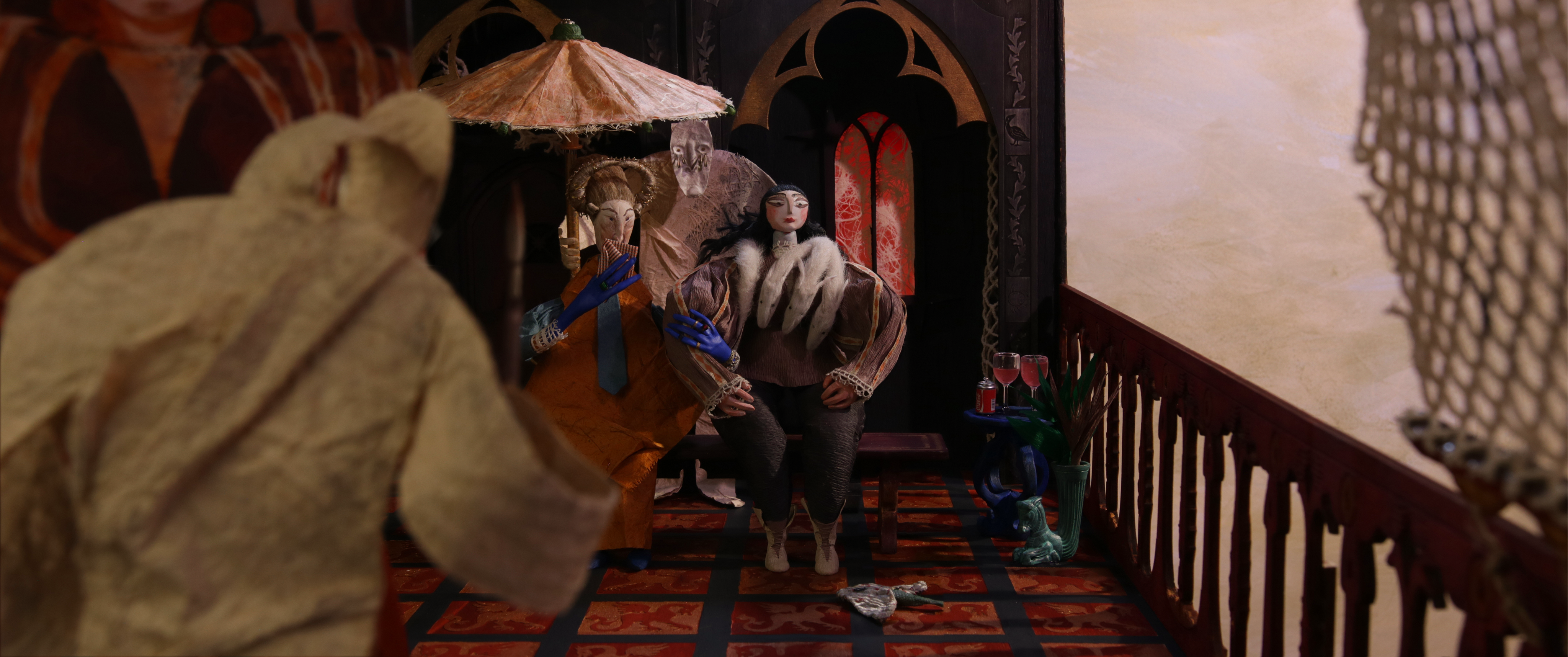
My graduation project consists of two moving-image works set along changing coastlines: one in Zeeland, the Netherlands, and the other in Normandy, France. Through these works, I explore how fieldwork can be conducted within imaginative landscapes, where human and more-than-human relations emerge differently. The project experiments with material forms of image-making by using seaweed and salt to develop and fix film, and by working with algae, chalk, and cliff structures directly onto the film surface through layering and scratching. These material gestures become part of the narrative itself, allowing the landscape to participate in the image-making process. One of the biggest challenges has been teaching myself to work with analogue film in its entirety, from filming to hand development. It can be chaotic, messy, and unpredictable, but that is also what makes it exciting. Once months of research suddenly start moving through a projector, your heart almost explodes!
How has your studies at PZI contributed to your growth as an artist/designer? Are there any mentors, experiences or insights that significantly have influenced your work?
Studying at the Piet Zwart Institute opened many possibilities for my practice. The self-directed structure allowed me to develop my own artistic language, something that couldn't be done with tutors helping to sharpen it or asking the right questions. Equally important for me was the collective environment of the studio. Sharing space with classmates and discussing each other’s work were wonderful. The dearest moments happened through conversations, helping each other install work, or collectively getting excited about a small discovery. The programme also planted some seeds in making my first steps into the professional field. During my first year, my film Riverlands was screened at the Beijing International Short Film Festival, and I was invited to participate in the exhibition Together Forever. It felt really encouraging to see my work travelling outside of the academy!
How do you see yourself in the world after graduating, and what are you most looking forward to after graduating?
After graduating, I hope to continue developing an autonomous practice as a visual artist and to further expand the research of my graduation project. The first gestures have been made, but there is still so much more to explore!
Together with fellow Lens-Based Media graduate Enrico Piffer, I am working on the Lost & Found Archive: an archive and research station dedicated to found, uprooted still and moving analogue Images. What excites me most is the possibility of continuing to build long-term projects that move between fieldwork, material experimentation, film, and installation.
Do you have any advice for current of prospective students in your programme?
Invest in building a sense of community around the studio! Inspiration, support, and joy emerge through conversations and shared time with others. My practice has grown so much stronger now it exists not only on my laptop, but also within a collective environment.
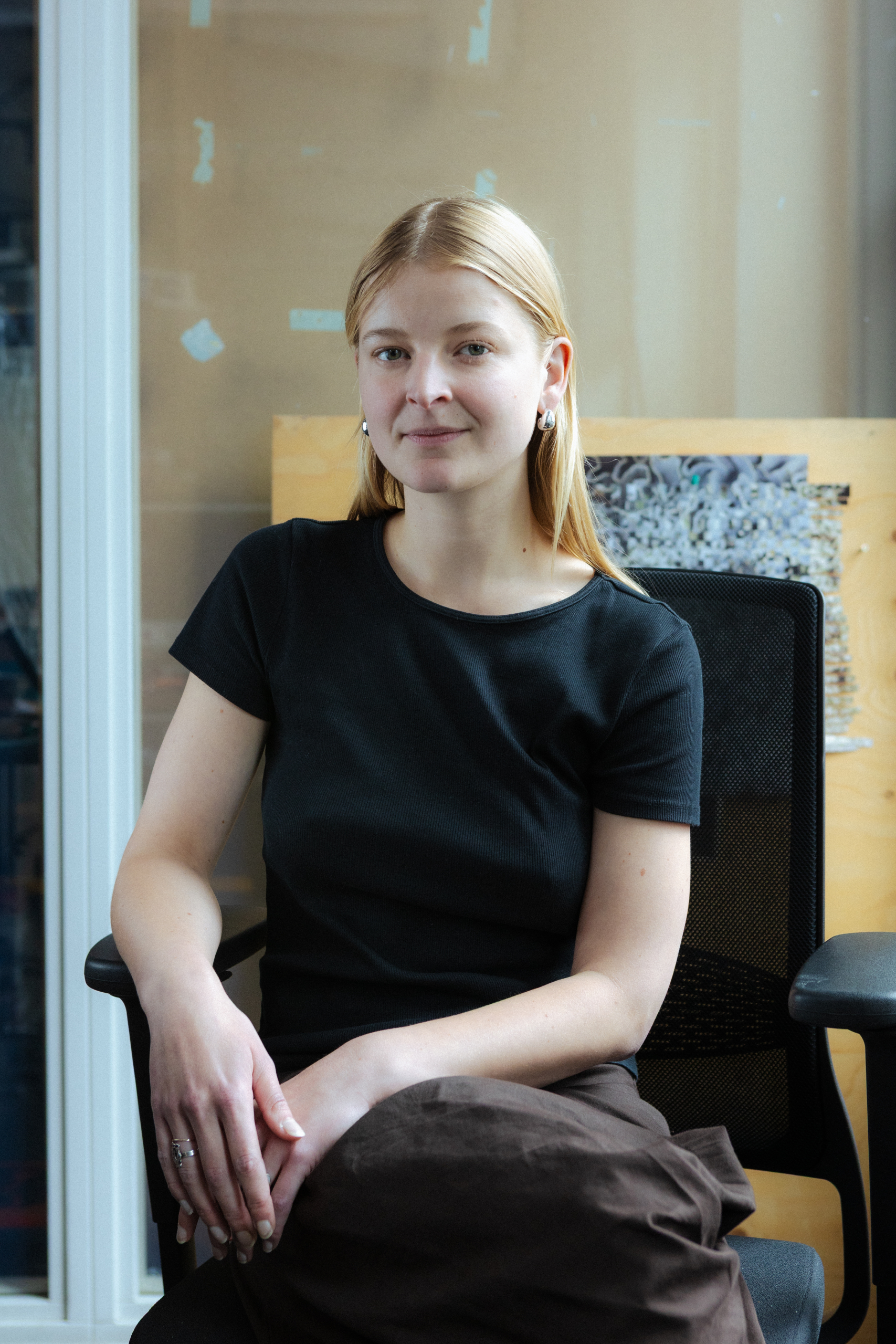 photo Jake Caleb