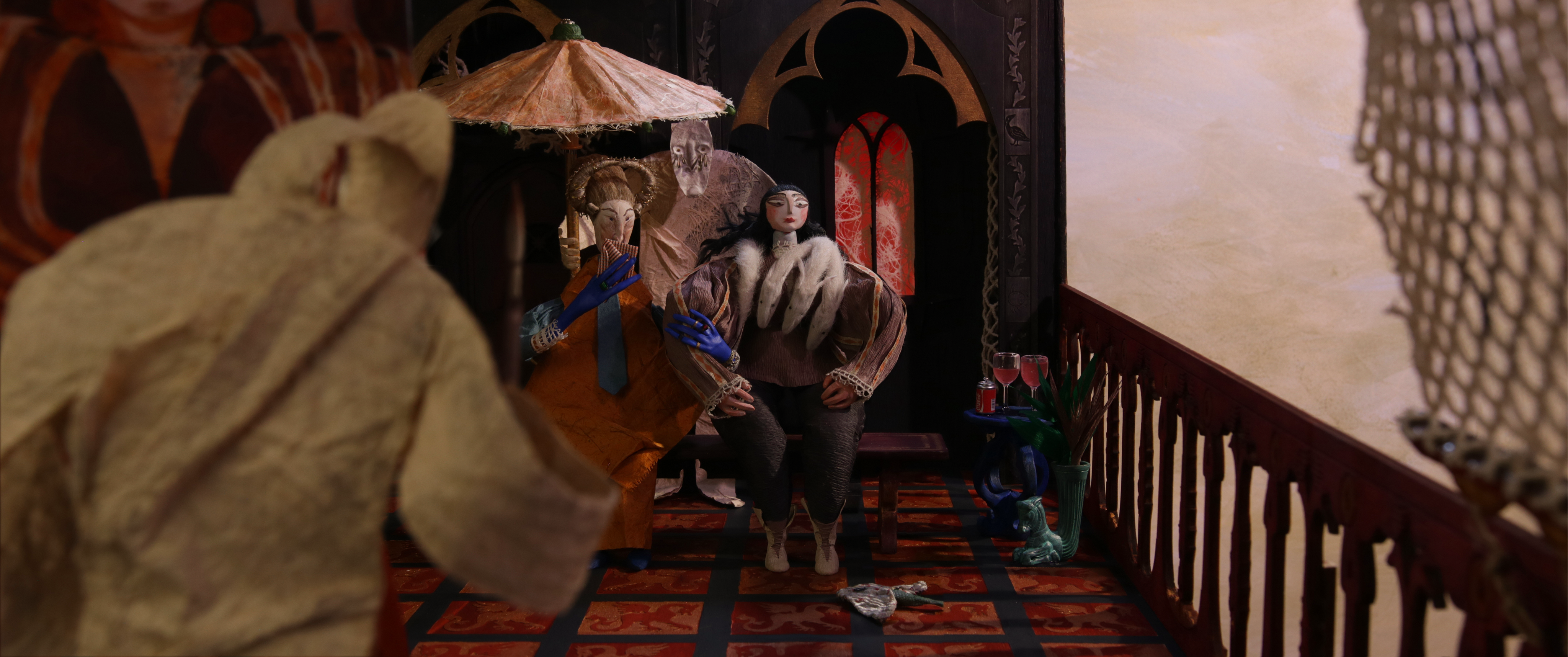
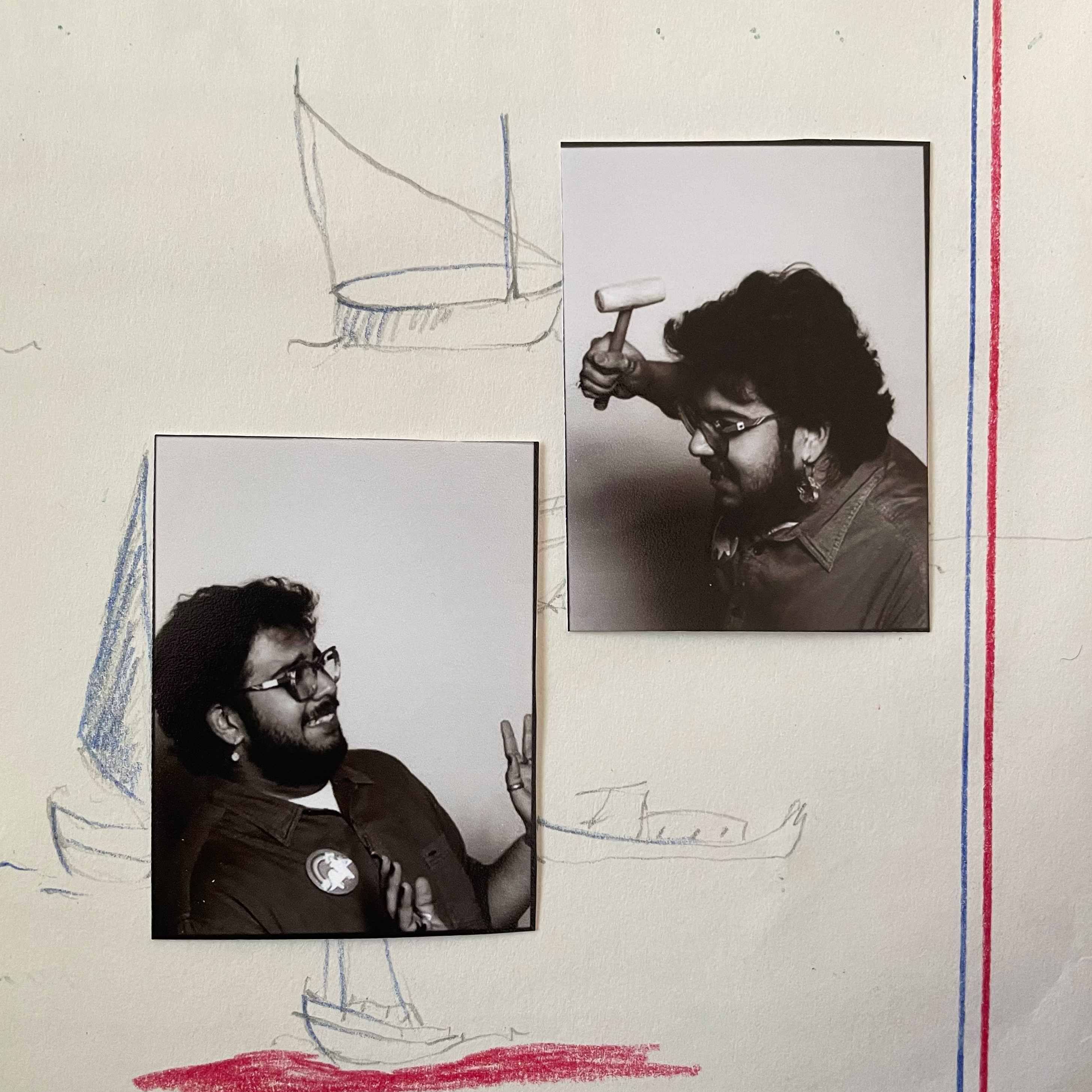
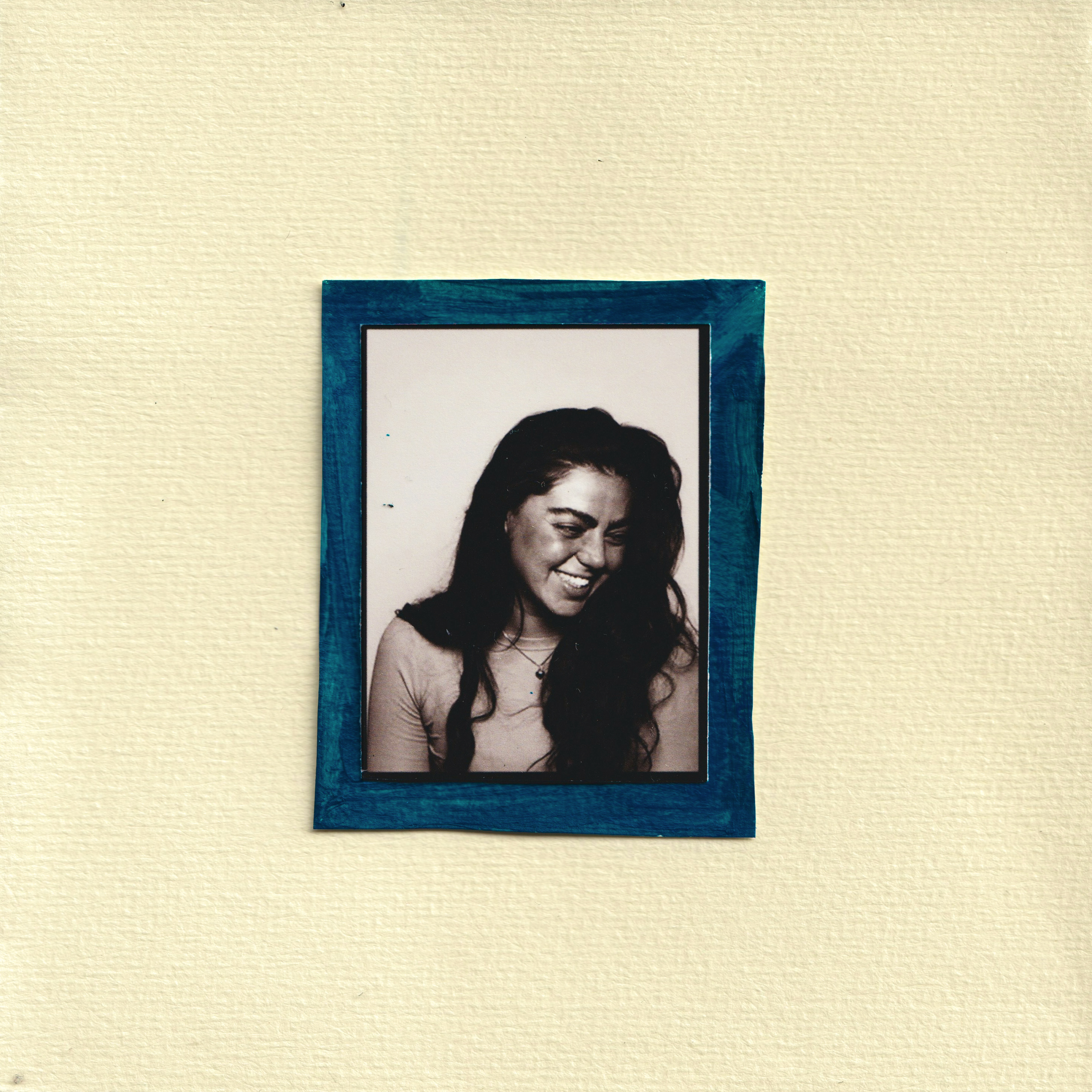
What motivated you to pursue a master’s degree, and more specifically, why a master’s at Piet Zwart Instiute?
After graduating from my bachelor’s degree in 2021, it felt important for me to gain professional experience in the field of art and design before returning to study. I therefore spent three years developing my own practice together with a friend and colleague through a shared studio practice. After those three years, it felt like the right moment to step back into the more experimental space that studying allows.
This master’s program became a way for me to reconnect with very personal interests, with all the freedom and encouragement that the studying environment entails. I wanted to take the time to explore my design practice as an open field of possibilities; something that rarely happens within more professional contexts.
Piet Zwart Institute, and most precisely MIARD felt like the right environment for that, both geographically, as it is located in a place where I wanted to continue evolving, and because the program itself engages with questions of space under a conceptual lens I wanted to engage with.
You are now close to graduating; what is the focus of your research project, and what challenges or obstacles do you encounter in the process? And what aspects of your project are you most excited about?
I mostly focused on forms and on the different ways I get to generate it as an artist or designer. The program itself required a strong theoretical foundation, with a significant emphasis on thesis writing. While this was truly challenging for me, especially as someone who does not naturally overthink their making process, it enabled me to ground my project within a conceptual framework. The writing and theoretical process was therefore demanding, but ultimately beneficial. It is also rare to have so much time to think deeply about a project and to explore its so many details, directions, and possibilities. Having that space for reflection and experimentation has been truly valuable.
Now, as I approach the end of the program, I am mostly facing practical challenges: how to build things in the right way, which materials to use, and how to document the process effectively. These are areas I feel more comfortable with, as they tend to require concrete and pragmatic solutions.
How has your studies at PZI contributed to your growth as an artist/designer? Are there any mentors, experiences or insights that significantly have influenced your work?
These studies gave me the time and space to pursue projects that would most likely never have emerged otherwise. More than anything, the experience was about obsessions; it allowed me to become deeply invested in very specific, sometimes niche ideas, and provided the support, critical feedback, and freedom necessary to explore them as thoroughly as possible. Throughout that process, I was constantly encouraged, questioned, and challenged, which helped the work evolve in the right ways. It was also incredibly valuable to receive feedback from a range of tutors, but also fellow students, each bringing their own perspective, interests, and ways of engaging with the work.
Those interests and methods I developed throughout the program have become an important part of my practice, and I am sure they will continue to inform and influence my work in the years to come.
How do you see yourself in the world after graduating, and what are you most looking forward to after graduating?
My intention is to continue developing my own practice, also in the studio duo I mentioned earlier, while also expanding on some of the projects that were initiated during my master’s. I now have what feels like a whole library of work, ideas, and research that is waiting to find its place in the world. In many ways, this next step is very different from the conceptual work itself. One of the biggest challenges is figuring out how to bridge the gap between what happens in the studio and what exists beyond it. While working on them, these investigations can sometimes feel disconnected from immediate realities, but they represent a body of work I want to share beyond the context in which they were developed. Each has the potential to grow into something much more concrete, and each opens up fields of possibilities that can be explored again and again. What I look forward to most is continuing this creative process beyond the studio; allowing these ideas to encounter new contexts, audiences, and forms as they continue to develop.
Do you have any advice for current of prospective students in your programme?
There are no fixed assignments, precise requests, or given deliverables, so I think having an idea of what you are looking for yourself can make the experience easier to navigate and more valuable. I did not join this master with a fully formed project in mind, nor did I know exactly what I wanted to develop, but I had a relatively clear understanding of my own practice and of the directions it could potentially take. In this context, the master provided the ideal space to dig deeper into what I was already doing. In that sense, I experienced it more as a process of refinement than as a completely new learning experience.
At the same time, and perhaps somewhat contradicting what I just said, I think it is equally important to allow yourself to drift. Those two years offer a rare opportunity to have the time, resources, and support to take detours, follow unexpected interests, and explore ideas that were not part of the original plan. I believe it is important to embrace those moments, while still finding ways to connect them back to your own practice and concerns.
Ultimately, my advice would be to believe in what you do, both before joining the course and, most importantly, while you are in it. Of course, embrace the guidance of tutors, fellow students, and the unexpected encounters and ideas that emerge along the way, but in the end, the work can only come from you. Every student I met seemed to shine most when engaging with their own interests and obsessions. I think the more you invest in, and remain committed to, your own questions, curiosities, and preoccupations, the more rewarding the experience is likely to be.
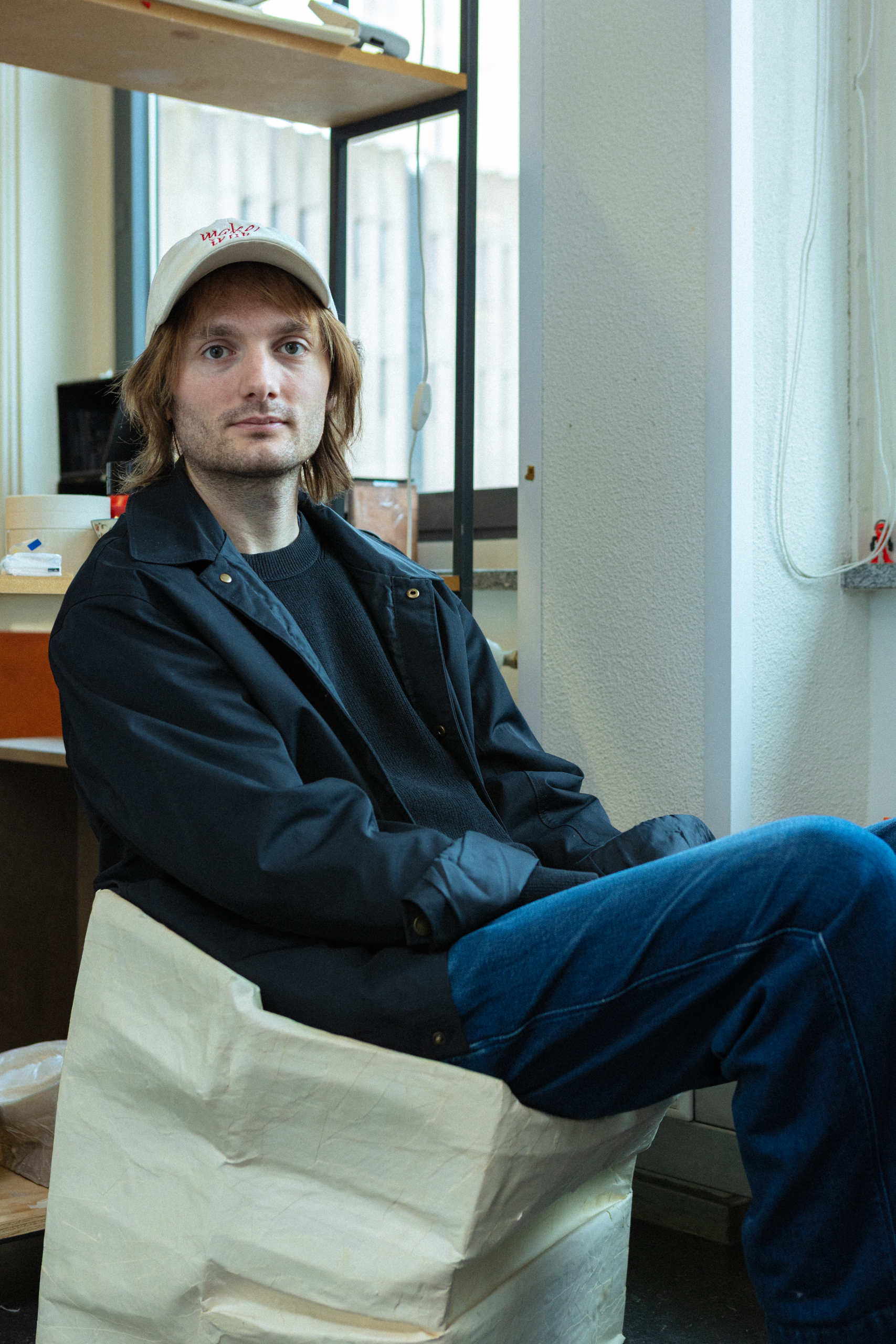 photo by Jake Caleb