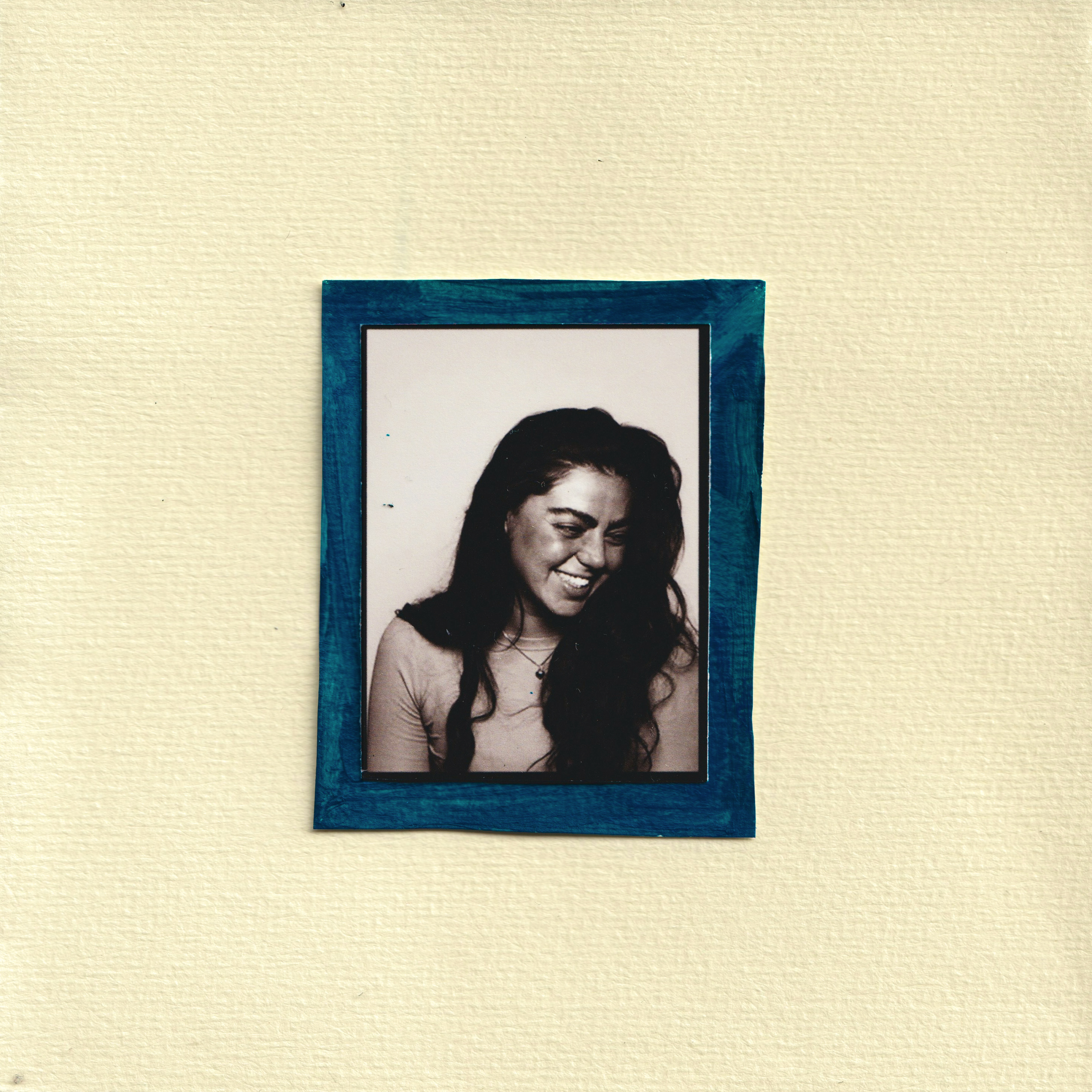
Brittany Thorpe is a freelance designer whose practice bridges fashion, research and inclusive design, with a particular focus on neurodivergent sensory experience. After completing her BA in Fashion Design at Falmouth University in 2015, she returned to education several years later to do the Master Design at Piet Zwart Institute, graduating in 2024.
Fashion had always been a natural direction for Brittany, yet her relationship with the field shifted over time. “After graduation and working in the industry, my interest in fashion wavered a bit,” she reflects. Entering the MA, she initially imagined moving towards product design: “I figured I didn’t want to do fashion… but through the programme I fell in love with it again.” Returning to study at Piet Zwart Institute proved transformative, allowing her to reframe what fashion could be and whom it could serve.
A key motivation for pursuing the master’s was personal. After her niece’s autism diagnosis, Brittany became increasingly aware of the sensory barriers embedded in everyday environments. “I wanted to understand that more and contribute through design,” she explains. Research through design was new to her, but the participatory approach resonated strongly. “In fashion you’re not really working with participants… I learned how to do research with people, not just interviews but creating opportunities for creative involvement, which led me to understand my participants in a deeper way.”
Her graduation project, (Dis)Embodied Garments, emerged from co-design workshops with neurodivergent participants. Beginning with simple T-shirts, she invited individuals to adapt the garments - adding, removing or altering features based on their sensory needs. “What came out were unexpected results that I wouldn’t have been able to design myself.” These explorations led to a series of prototypes that were continually refined with the group. The final six garments each represented the sensory world of a specific participant, from a foam-based upper-body cover that reduced distracting touch stimuli to an elastic chest panel providing calming pressure. “It was really eye-opening how fabrics can prompt an experience for the wearer,” she notes.
Aesthetics remain an open question within the project. “I struggled with this a lot,” she admits. “You want it to look good to gain an audience... but as it is about how the clothing feels rather than how it looks, how important are aesthetics?” The garments, made in everyday jersey and muted tones, were never intended as a finished collection but as an illustration of what clothing might become “if it’s designed from a different perspective.”
The project continues to evolve. Brittany has exhibited and presented the work at Dutch Design Week 2024, the Prosperity Fashion Conference in Florence (2025) and the Inside Out Museum’s neurodiversity showcase in Beijing, where she also led workshops. She is currently seeking funding to develop the project further.
Alongside this, she taught at Falmouth University, designing research-led sessions on disability and participation. She is also working towards consulting for brands on sensory-friendly design. “A lot of work still needs to be done in terms of inclusivity,” she says. “I want to show there are so many creative and artistic ways of doing sensory clothing.”
The project has reshaped her own understanding of fashion. “I learned so much about how I experience clothing - weight, tactility, sound, smell.” It has changed her shopping habits and deepened her awareness of comfort and connection. Ultimately, Brittany Thorpe’s work demonstrates the possibilities that emerge when design is rooted in care, collaboration and lived experience.