PEARL: Reducing artists’ and athletes’ health problems and optimizing performances
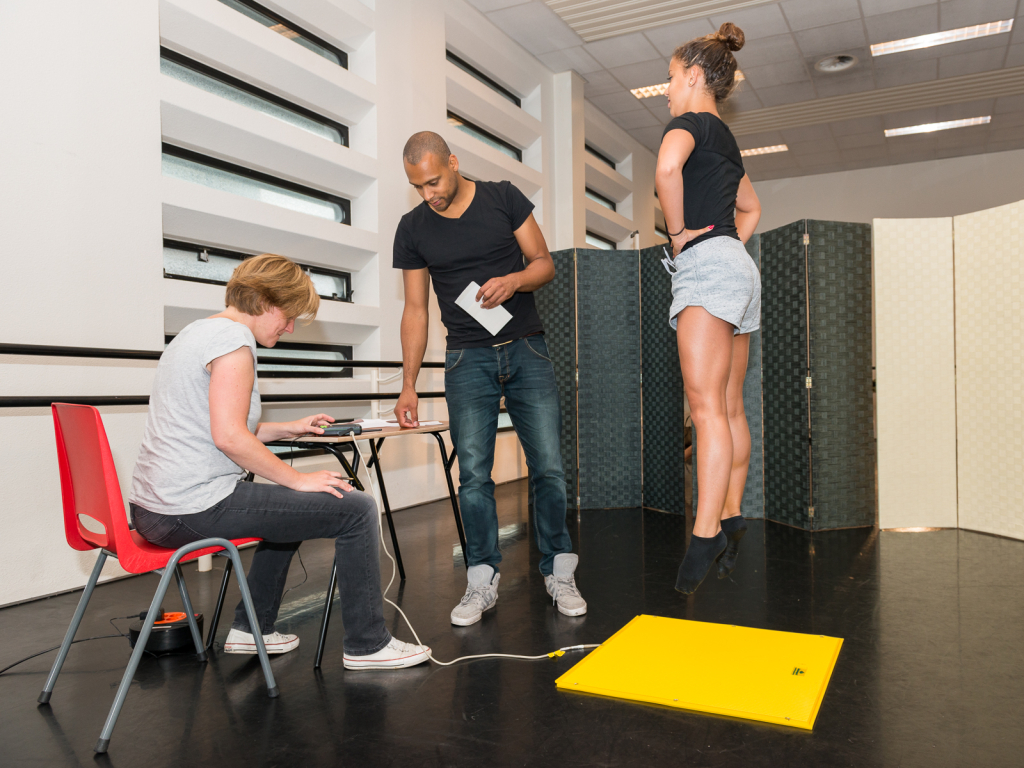
Dancers, musicians, circus artists and athletes have at least two things in common: They have to perform well in high-pressure situations and face challenging physical demands. There is hardly any time for recovery, which makes performing artists and athletes prone to injuries due to an overload in their physical and mental capacities. To reduce physical and mental health problems and optimize athlete and artist health and performance, Codarts Rotterdam, together with the Rotterdam Arts and Sciences Lab (RASL), launched a new research centre called the PErforming artists and Athlete Research Lab(PEARL) in 2018 with a grant of 1.7 million euros from the National Association of Applied Sciences (Nationaal Regieorgaan Praktijkgericht Onderzoek SIA). The various organisations collaborating with the centre, including dance companies, orchestras and sport teams, all support and recognize the importance of PEARL, because health problems can lead to injuries requiring medical treatment and can also inhibit talent development due to absences from rehearsals or training practice. In extreme cases, health problems can potentially end an athlete’s or artist’s career.
Eight field labs with state-of-the-art equipment
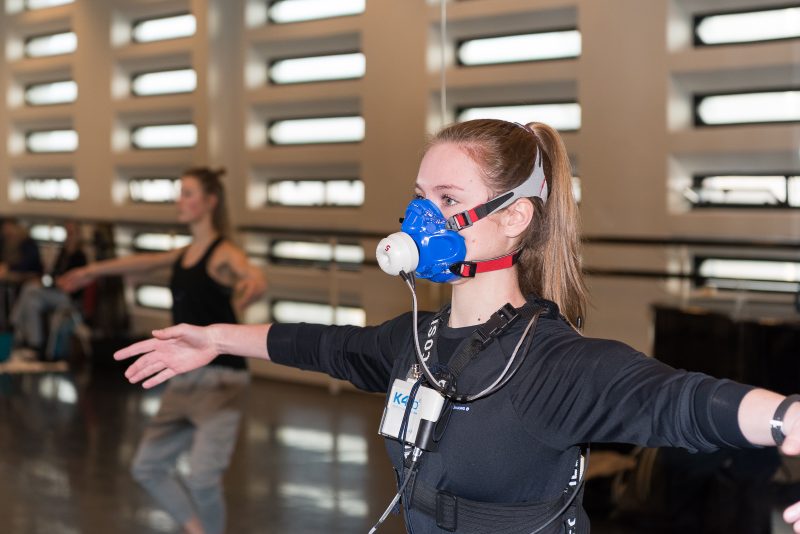
PEARL consists of several field labs where research is conducted: the departments of Music, Circus and Dance at Codarts Rotterdam, Feyenoord Academy, the Dutch National Ballet, Scapino Ballet Rotterdam, Rotterdam Philharmonic Orchestra and Rotterdam Circusstad. Each field lab contains state-of-the-art equipment to screen and monitor the health of performing artists and athletes. Data are collected under the supervision of in-house scientists and translated into relevant information for performing artists, athletes and their staff. An online web-based system, Performing artist and Athlete Health Monitor (PAHM), was developed by Codarts Rotterdam to facilitate this process. PAHM enables dance companies, orchestras, sports teams and universities of the arts to collect and analyse data on the health problems of their artists and athletes. The tool automatically sends surveys to the participants, stores the data in an encrypted database and visualizes the results on a digital dashboard. As of mid-2018, more than a thousand performing artists and athletes use PAHM to monitor their health, resulting in the biggest data set in the world targeting athletes’ and artists’ health.
Bridging gaps between different disciplines
PEARL is the first research centre in the world linking performing arts, sports, education, science and business. The PEARL research team consists of ten scientists with expertise in the field of human movement science, physiotherapy, dance science, exercise physiology, sport psychology, big data science, software engineering and qualitative research. In addition to these various in-house experts, the PEARL consortium consists of several institutes and organisations including Erasmus University Medical Center (Erasmus MC), Vrije Universiteit University Medical Center (VUmc), Hogeschool Rotterdam, Nationaal Centrum Performing Arts (NCPA), Nederlandse Vereniging voor Fysiotherapie in de Sportgezondheidszorg (NVFS), Nederlands Paramedisch Instituut (NPI), Johan Sports and Sportgeneeskunde Rotterdam. Combining different fields of expertise and cooperating with diverse health and sports organisations are both necessary to tackle the complex and diverse problems that are being investigated by PEARL.
Examples of PEARL projects
Examples of ongoing research projects conducted by PhD students include:
- Monitoring the health of performing arts students. This project focuses on the physical and mental health of students enrolled in five Codarts bachelor’s programmes (Dance, Dance and Education, Circus, Musical Theatre and Classical Music). The aim of the project is to gain insight into the risk factors and preventive measures regarding injuries, illnesses and mental health issues of the students.
- Investigating injuries in pre-professional dancers using a performance-psychological approach. This project investigates the association between mental factors and the risk of injury. Furthermore, it focuses on the influence of injuries on the mental health of injured dancers and takes a closer look at the role of mental factors in the “return to perform” process.
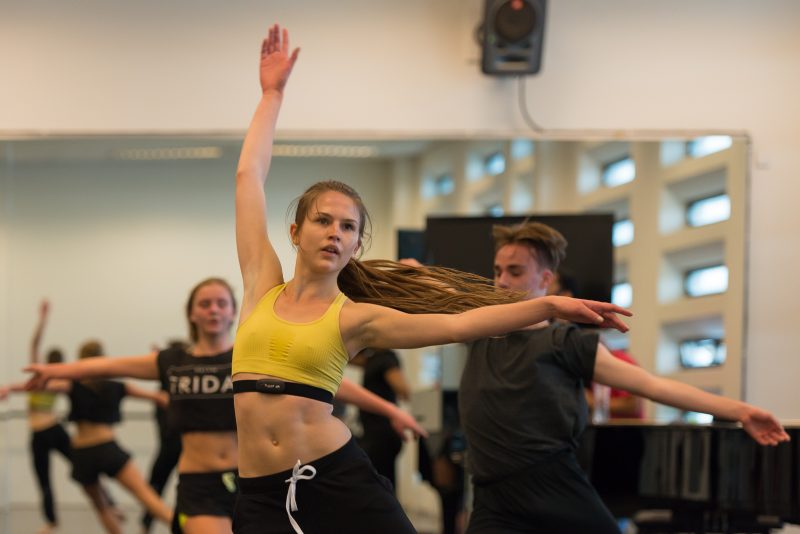
- Analysing big data for injury prevention. During training and matches, athletes wear sensors to monitor their heartbeat, distance and speed. These data may play an important role in finding the right balance between load and load capacity. However, analysing these data is a major challenge for coaches and their staff; and in dance, these data are not yet collected on a large scale. This project is the first study that bridges the gap between sports and dance science. The aim of this project is to collect sensor data of multiple sports teams and dance companies. Advanced computer science technology is used to analyse big data and identify possible risk factors for health problems in athletes and dancers.
- Studying the link between nutrition and injury. There is a lack of studies focussing on the association between nutrition and injuries. This project investigates whether low protein intake is associated with an increase in the risk for injury in circus artists and dancers.
From knowledge to practice
Both research universities and universities of applied science are part of the PEARL consortium, providing an opportunity to bridge the gap between fundamental knowledge and applied science. PEARL also has a higher ambition to translate gained knowledge into practical tools. In one instance, the PEARL research team is collaborating with the Dutch National Ballet and Scapino Ballet Rotterdam to develop a new monitoring tool to measure dancer workload. Several research questions are addressed, including how to measure endurance in dancers and whether dancers with low endurance have an increased risk of sustaining an injury. By collaborating with entrepreneurs, these new insights are immediately translated into practical tools. For example, sensors measuring load management in athletes will be used to measure total distance, accelerations and decelerations in dancers during a performance. This enables sensor developers to implement their tools in a new market, leading to new potential customers.

From knowledge to improving education
PEARL research projects provide information that Codarts, dance companies, orchestras, circus organisations and sports teams need to strengthen their programs, improve teaching and learning, and build knowledge and skills. For example, the new tools and data give the collaborating dance companies insight into the minimal endurance levels needed for dancers to perform certain choreographies. Dancers with low endurance levels receive custom-designed rehearsal programmes. Furthermore, PEARL encourages the dissemination of knowledge via workshops, masterclasses and presentations. In addition, the education programme of Codarts Rotterdam will be further developed based on the new insights gained from the research projects of PEARL.
PEARL and RASL: a perfect match
PEARL brings together diverse disciplines and creates new forms of knowledge and practice, in alignment with the transdisciplinary ambitions of RASL. PEARL also benefits from the interdisciplinary research structures within RASL by bringing together the expertise from Erasmus University, Willem de Kooning Academy and Codarts. For the first time in dance and sports medicine science, artists are working together with scientists to improve performances, reduce injury and optimize athlete and artist health. This collaboration between artists and scientists will result in new forms of data visualisation, better health screening tools and may even result in new and alternative dance choreographies.
Relevant links: