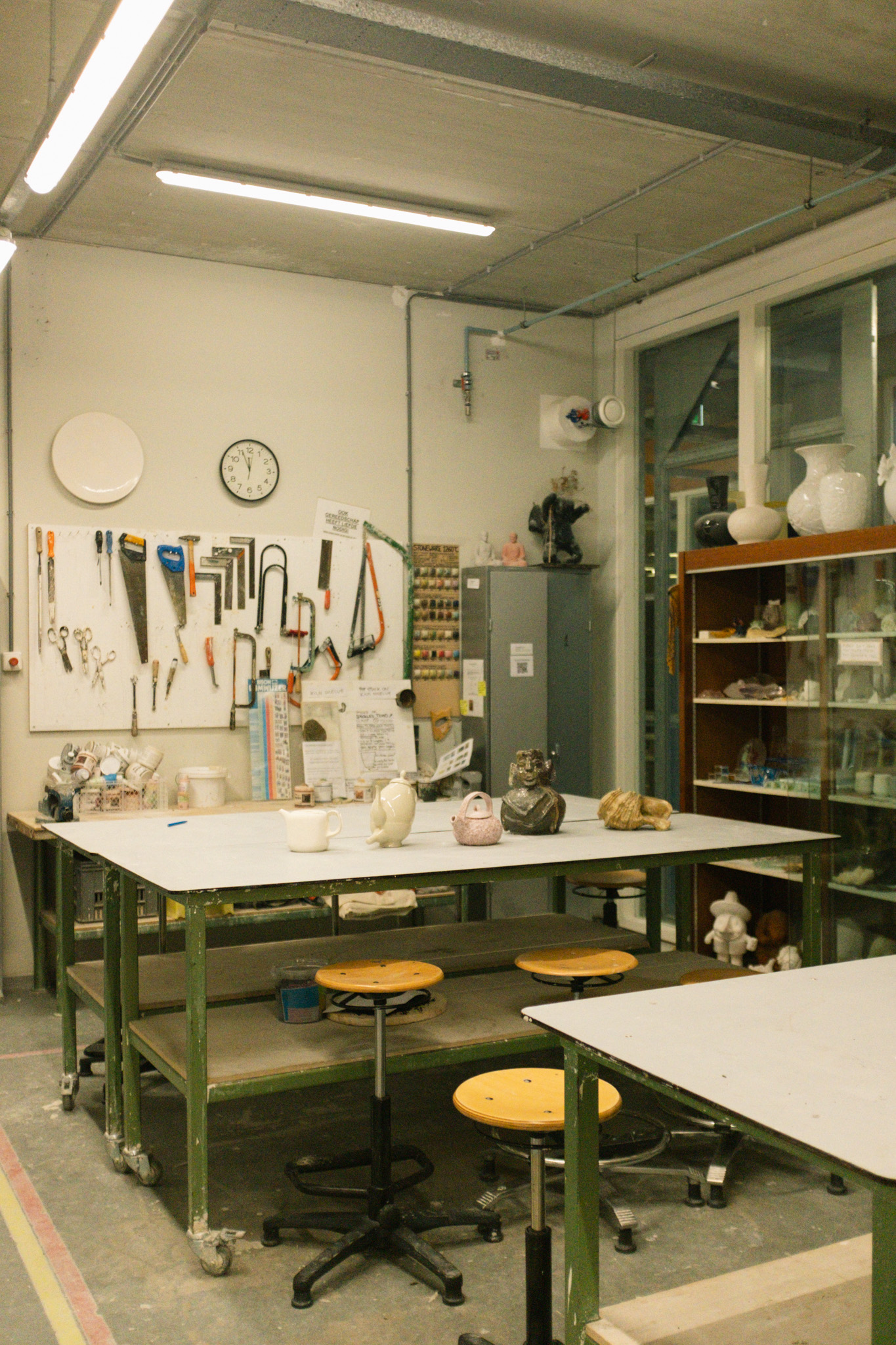
Sensing the Living: An Outside Multispecies, presents works by students of the Willem de Kooning Academy developed in collaboration with the Brienenoordeiland. The project centres on designing meaningful interactions with our often‑overlooked natural neighbours. Through practice‑based research and embodied, sensory engagement on the island, students explored nature not as a resource or backdrop but as a living world we are inherently part of. The project positions artists and designers as mediators who make interspecies relationships visible, tangible, and imaginable.
At the core of this project lies an urgent recognition: many of today’s environmental crises—climate change, biodiversity loss, and pollution—stem from a deeply human‑centred worldview. We have long placed ourselves above the living world, rather than understanding ourselves as part of it. This project begins by challenging that assumption. Students were invited to rethink their ecological relationship with the island by asking: How can we see differently? How can we move beyond a purely human perspective? And how can we become more attentive to other beings and life forms that shape Brienenoordeiland? Through observing, smelling, listening, tasting and collaborating with the environment, students explored what it means to work with living systems rather than merely around them. Each group was assigned a species as a starting point, using their bodies, and—when needed—technologies to access forms of perception beyond human limits. Working outdoors was essential, encouraging them to slow down and attune to the environment.
In this exhibition, students present the results of their research by mediating the presence of several species found on the island: Japanese Knotweed, Marsh Marigold, Blackish Blunthorn, Woodpecker, Bat, Tick, and Common Frog. Each project offers a unique entry into these species, inviting visitors to encounter the island’s ecology through an expanded way of sensing.
Thanks to:
Students Willem de Kooning Academie: Emma Allegretti, Dani Anderson Athie, Dounia Atrar, Adomas Baublys, Fabian van Biene, Lu Challinor dos Santos, Dilara Ekici, Emma Fürstenzellerová, Caitlin Franke, Lefteris Giampoulakis, Cleo Kanafani, Guus Kentie, Noor Lekkerkerker, Mathis Peters, Mees Profittlich, Erykah Richardson, Manouk van Riet, Eve Rivlin, Amber Roos, Jana Roscam Abbing, Daria Sinelnikova, Dora Tertsch, K Tymoshchuk, Clemence Veilat and Hong Anh Vu
Teachers Willem de Kooning Academie: Ivan Henriques, Yoana Buzova, Leo Scarin, Honey Jones-Hughes, Kas Houthuijs and Aldje van Meer
Maurice Specht, Sander Zweerts de Jong van Buitenplaats Brienenoord
The Japanese Knotweed, Marsh Marigold, Blackish Blunthorn, Woodpecker, Bat, Tick, and Common Frog
Overview of projects:
-----------------------------------------
Japanese Knotweed
Knotweed Revolution
A project by Lu Challinor dos Santos, Emma Allegretti and Emma Fürstenzellerová
In my garden of hope lies no such thing as an invasive organism. Such a concept creates a division- states that one does not belong. But who gets to dictate this abstract idea? The Japanese Knotweed is a plant that originates from east Asia. It has an intricate history riddled between commercial trade, colonial botany, and a Victorian obsession with exotic garden novelties. We have not honored this weed. Modernistic systems of structure and government deem it “toxic waste”. This project will tell you otherwise. Welcome to Knotweed Revolution.
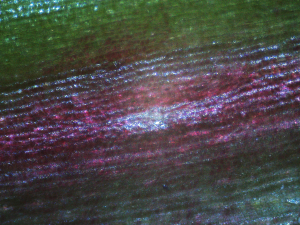
Image by Lu Challinor dos Santos (close up knotweed)
-----------------------------------------
Marsh Marigold
A project by Dani Anderson Athie, Dounia Atrar, Fabian van Biene and K Tymoshchuk
This project invites visitors into an imaginative encounter with one of Brienenoordeiland’s more elusive inhabitants: the Marsh Marigold. It reflects our commitment to slowing down, observing closely, and designing interactions that honour the island as a shared multispecies environment. The project encourages visitors to move through the landscape with curiosity and embodied attention.
Because the Marsh Marigold is difficult to find outside its blooming season, the students created a treasure‑hunt‑like intervention that turns this absence into an opportunity for playful discovery. Five temporary stations are placed across the island, each highlighting a different ecological, sensory, or cultural aspect of the plant.
-----------------------------------------
Melitta nigricans [Blackish Blunt-horn]
In Search of Melitta
A project by Erykah Richardson, Adomas Baublys and Eve Rivlin
Instead of presenting the bee as an object to be observed, visitors are invited to experience the landscape through the cues that guide Melitta nigricans. Equipped with a small field zine and bingo card, they search for the elements that make the bee’s survival possible: purple loosestrife flowers, sandy nesting grounds, scents, and disturbances to avoid.
The work transforms a walk through the island into a process of attentive looking, smelling, and sensing. Visitors follow traces rather than the bee itself, discovering that an entire world exists beneath and around them.
The project asks how we can care for a species we rarely notice and whether learning to perceive its environment can bring us closer to understanding its life.
-----------------------------------------
Woodpecker
Unseen World
A project by Lefteris Giampoulakis, Manouk van Riet and Amber Roos
With our project, we aim for people to look at the world from an unseen perspective: the perspective of the great spotted woodpecker. Painting the world in hues of purple, we replicated their ultraviolet vision to show how they see their environment and interact with it.
At Brienenoord eiland, you can find them flying through the treetops, pecking the soft trees scattered throughout the island, hopping around the gardens, or by opening up your ears to their drumming and chirping. Our photographs visualise these habits as if the camera is an extension of their eyes. The intentional use of angles and colours puts viewers in a place where they can experience the island in a new way and peek into the life of the woodpecker.
The photographs are showcased on a route around the island, varying in height and size to complement the woodpeckers’ different habits and needs. The viewer is guided on this path using the ultraviolet map on the back of our zine. On this map, every part of our installation is highlighted in an orange colour, mimicking the bird’s vision.
By shining a light on the great spotted woodpecker in this way, we hope to open up people’s minds to this unique characteristic of the bird, and the purpose it serves in their survival.
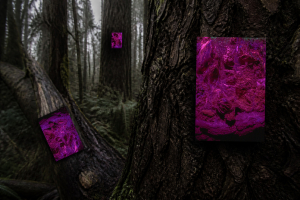
Image by Lefteris Giampoulakis, Manouk van Riet and Amber Roos
-----------------------------------------
Bat
ECHOES OF THE ISLAND
A project by Caitlin Franke, Clemence Veilat and Cleo Kanafani
Our project consists of creating an interactive map that allows visitors to explore the island through the perspective of bats. The map highlights several key locations across the territory while providing information about the animals’ way of life, including
their roosting sites, hunting areas, and movement patterns throughout the island.
On these locations you access a visual experience developed with, inspired by echolocation the navigation system used by bats. Through digital animations and visual processing techniques, our project offers a graphic interpretation of this unique perception of space.
The aim of the project is to raise awareness of the crucial role bats play within the island’s ecosystem while providing an immersive and educational experience.
By combining cartography, digital creation, and scientific mediation, this installation invites visitors to discover the territory from a new perspective and gain a deeper understanding of these fascinating yet often misunderstood species.
-----------------------------------------
Tick
Apocatix
A project by Guus Kentie, Mees Profittlich, Hong Anh Vu and Daria Sinelnikova
In Apocatix, visitors, referred to as the Observers, will be invited to take part in a dystopian experience through the senses of a bloodthirsty creature. This creature has been living on Brienenoord eiland for longer than people can imagine but can be heavily misunderstood. A new team of four Investigators studied this species for years, and now finally opens their Investigation to the public. The Investigators will take the Observers on a hazardous tour, starting from the Safehouse, taking them around the homes of these mysterious creatures and providing them with all the necessary information needed, to make sure that the Observers are prepared for this experience.
After returning to the Safehouse, the Main Work of their research will be revealed, and gives the Observers the opportunity to look up close to the species and the Main Work.
The Investigation will be open to the public for a limited time, so join them while it lasts!
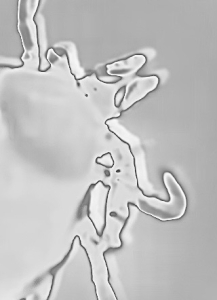
Image by Guus Kentie, Mees Profittlich, Hong Anh Vu and Daria Sinelnikova
-----------------------------------------
Common Frog
Frog Walk
A project by Noor Lekkerkerker, Mathis Peters, Jana Roscam Abbing and Dora Tertsch
While frogs are often understood through images or written descriptions, this project proposes an alternative mode of learning—one grounded in smell, sound, and embodied movement.
The installation guides visitors along a circular route tracing the edge of the pond where the frogs live. Four stations punctuate the path, each offering a distinct smell extraction and sound composition linked to a specific stage in the frog’s life cycle: tadpole, juvenile frog, adult frog, and hibernation. These sensory elements highlight the transformative nature of the species and invite visitors to attune to the subtle shifts that shape its lived experience.
A hand‑made zine accompanies the work, presenting excerpts from the students’ journal research into the frog’s developmental stages and ecological rhythms. It also includes a map of the walking route, explanations of the sensory components, and an overview of the project’s development process.
Frog Walk encourages visitors to slow down, notice, and engage with the island’s ecology through expanded ways of sensing—foregrounding the presence of a species often overlooked.
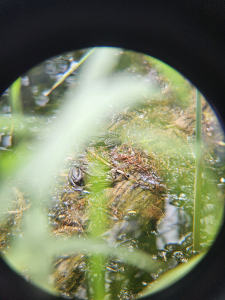
Image by Noor Lekkerkerker, Mathis Peters, Jana Roscam Abbing and Dora Tertsch